

When it comes to climate engagement, there’s no “one size fits all”.
Different people respond to different approaches and the tool you choose should depend on who you’re engaging and what you want them to take away.
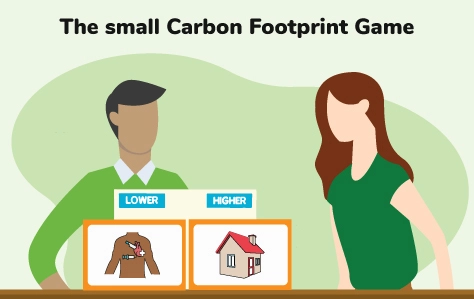
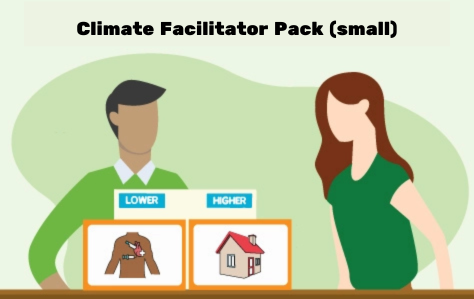
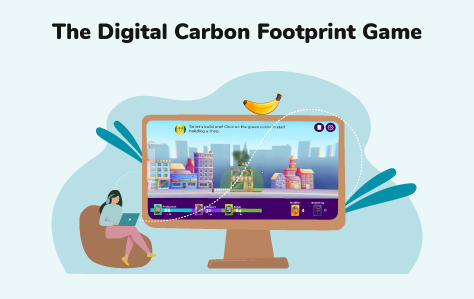
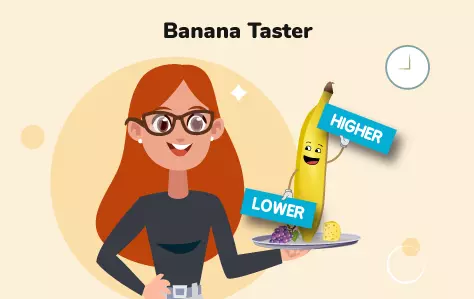
Here are 4 of the main climate engagement tools we talk about often:
Why Climate Education Is Failing
1. It’s too technical
Bombarding people with data, graphs, and scientific jargon may feel thorough, but for most learners it’s actually just very overwhelming. Instead of inspiring action, it can do the complete opposite as people think the learning is for climate scientists not them.
2. It’s doom and gloom
Of course the climate crisis is serious. But when education is all about worst-case scenarios, people shut down. Fear might grab attention for a moment, but it doesn’t sustain engagement or motivate positive change.
3. It feels judgemental
Nobody wants to feel shamed for their lifestyle choices. If training comes across as finger-pointing, defensiveness creeps in and the learning opportunity is lost.
4. It skips the “so what?”
Even if the science starts to resonate, if people walk away without clear, practical actions, they’ll forget what they’ve learned. Knowledge without application doesn’t translate into impact.
The Awareness To Action Gap
Thankfully, most people do already care about climate change. The challenge is that awareness doesn’t equal action. Staff often understand that it matters but not what it means for their role or how they can make a difference.
As Chris de Meyer puts it in his TED talk, when people feel they have no agency, they shut down. But when they’re given hope and practical steps, they step up and take action.
That’s the crucial missing piece: climate education should empower people to act, not leave them to overwhelmed to do anything.
How To Make Climate Education Work?
So, what does work?
Keep it human. Use stories, relatable examples, and plain language to make the science accessible.
Focus on agency, not apocalypse. Show people what’s possible, not just what’s broken. Optimism sparks creativity.
Make it interactive. Games, simulations, and group challenges turn passive listening into active problem-solving.
End with action. Always connect learning to tangible next steps people can take in their roles and lives.
Why Positive Climate Education Matters For Organisations
When climate education empowers rather than overwhelms, it can completely change the way people and organisations respond.
People feel more engaged, because what they care about personally starts to connect with the goals of their workplace.
Organisations start to see real impact, whether that’s through certified pledges or small behaviour shifts that add up in ESG reporting.
The culture begins to shift, with sustainability no longer seen as “someone else’s job” but something everyone has a hand in.
Put simply: when training is positive and engaging, sustainability stops being a strategy on paper and starts becoming part of everyday life.
The Solution
The truth is, if your climate training feels heavy, technical, or guilt-driven… it’s probably not working. But with the right approach, it can become something people actually enjoy and can become an integral part of your organisations something that encourages action and becomes the key to driving your climate strategy forward, helps you hit your targets, and creates the culture change you have been looking for.
And if you’d like a hand making your climate education more effective, why not get in touch!
Written By Charlotte Lawson